
Serving Northeast Ohio

(440) 496-6744
Most homeowners can list their big renovation priorities without thinking twice: a kitchen remodel, an updated bathroom, maybe new flooring. These projects show up on every "best home improvements" list, and for good reason — they're visible and functional.
But one project rarely makes that list, even though it touches something every buyer notices before they step through the front door: outdoor lighting.
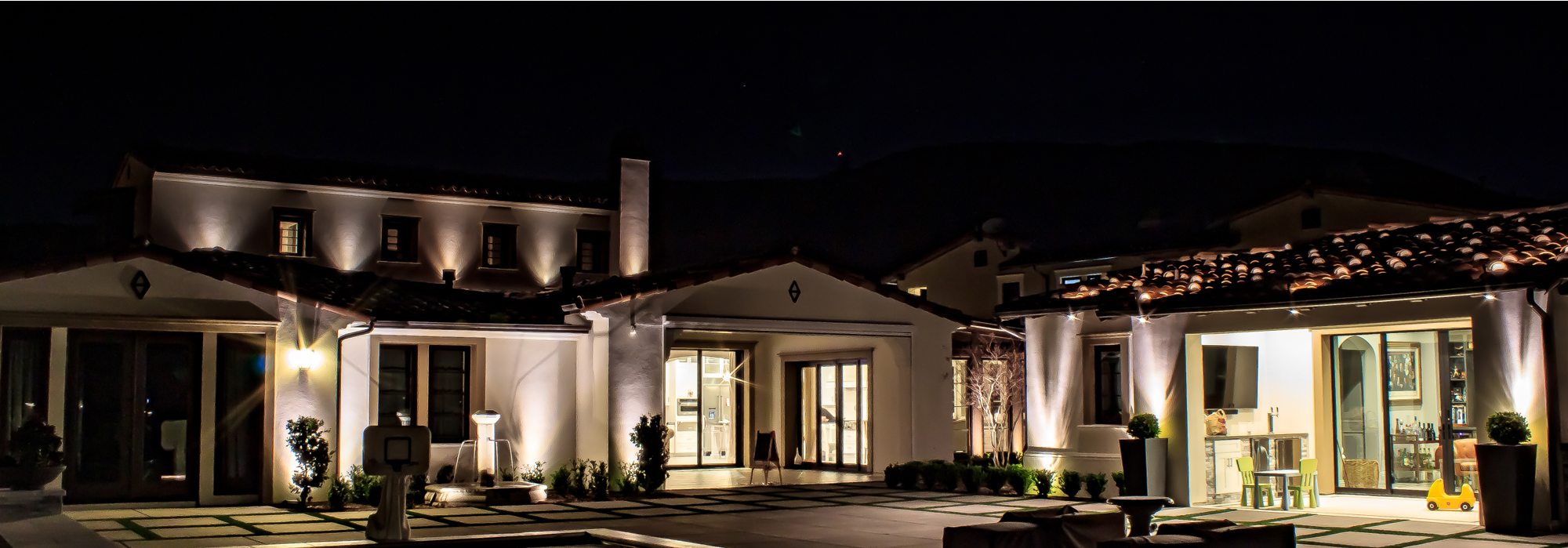
Walk through most neighborhoods after sunset and you'll notice the same thing. A handful of homes glow — porch lights, path lights, an uplit tree or two. The rest disappear into the dark. That contrast matters more than most homeowners realize, especially when it comes time to sell.
So, does landscape lighting increase home value? The honest answer: it depends on how you define "value." Landscape lighting won't add a fixed dollar amount to your appraisal the way a bathroom remodel might. But it does influence how buyers perceive your home, how quickly it sells, and how much they're willing to pay. Here's what the data and industry experience actually show: no exaggerated claims, just practical insight.
Most showings and listing photos happen during the day, when lighting is invisible. A buyer touring a home at 2 p.m. has no idea whether the walkway becomes a hazard at dusk, or whether the backyard turns into a black void after sunset.
Homeowners also tend to invest in the spaces they use most: kitchens, bathrooms, bedrooms. The exterior, especially at night, feels like an afterthought. But buyers don't experience your home only in daylight. Many drive by in the evening to get a feel for the neighborhood before ever scheduling a showing, and a dark, uninviting exterior can quietly work against you.
Real estate research on landscaping consistently shows that exterior improvements have an outsized effect on perceived value relative to their cost. The National Association of Realtors' Remodeling Impact Report has repeatedly found that landscaping-related projects recover a high percentage of their cost at resale, and that agents rate curb appeal as a major factor in first impressions.
Landscape lighting is typically grouped into this broader curb appeal category rather than tracked as its own line item — which is why there's no single, universal statistic like "landscape lighting adds X% to home value." What the data does support is that homes presenting well from the street, in person and in listing photos, generate more interest and often sell closer to asking price. Landscape lighting is one of the more affordable ways to improve that presentation, especially compared to hardscaping or major landscaping overhauls.
Think of it less as a line item and more as a multiplier; it makes the rest of your exterior investment visible at the times of day buyer decisions actually happen.
Curb appeal is usually discussed as a daytime concept, but a home's exterior is on display around the clock — especially in fall and winter, when "curb appeal hours" extend well into the evening.
Picture two identical homes at the same price. One has a dark walkway and a bare porch bulb. The other has soft path lighting, gentle uplighting on the architecture, and a warm glow across the landscaping. Even if structurally identical, the second home reads as more cared for and more move-in ready. Buying a home is an emotional decision as much as a financial one, and lighting shapes the story a buyer tells themselves while walking up.
Most buyers can't explain why one home feels more polished than another — but lighting design plays a quiet role in creating that impression. Symmetrical, warm, layered lighting at the entryway reads as intentional design. Illuminated landscaping extends the perceived size of outdoor space after dark. Consistent path lighting signals safety and maintenance.
Landscape lighting is also a practical safety feature. Well-lit exteriors reduce trip hazards on stairs and walkways, a real concern for buyers with young kids or aging parents — and contribute to a general sense of security. Homes with dark entry points can feel more vulnerable, while consistent lighting signals an active, cared-for property. This benefit pays off whether or not you plan to sell.
Outdoor living spaces — patios, fire pits, seating areas — have shifted from a nice extra to something buyers actively expect. But a space that only exists during the day is only half a feature. Landscape lighting is what makes a patio usable at 8 p.m. instead of just at noon, and what lets a buyer picture themselves actually using it. Without lighting, that same space photographs as a dark, undefined area in evening listing photos.
Landscape lighting is a relatively low-cost improvement compared to major exterior renovations, and it delivers value in ways that are real but hard to isolate on a spreadsheet. It won't single-handedly raise your appraisal by a specific percentage, and any contractor promising an exact ROI figure for lighting alone is overstating things.
What it reliably does: improve first impressions, enhance the effect of landscaping you've already invested in, add a genuine safety benefit, make outdoor spaces functional for evening showings, and differentiate your listing from comparable homes at the same price point.
It's tempting to treat landscape lighting as a DIY weekend project: a few solar stake lights, maybe a string of lights along the fence. But there's a meaningful difference between lighting a yard and designing a lighting plan, and buyers can usually tell.
Professional installation typically involves layered design (path, uplighting, and accent lighting together), proper fixture placement to avoid glare or harsh shadows, durable weatherproof materials, low-voltage LED systems that are safer and more energy-efficient than older halogen setups, and wiring done correctly for longevity and inspection peace of mind. A poorly executed DIY setup can actually work against you, drawing attention to inconsistency rather than polish.
At Titan Lighting, we treat every project as a design conversation first, not a fixture catalog. Before recommending equipment, we look at the home's architecture, existing landscaping, and how the space is used — and if resale is a factor, how it will read in person and in listing photos.
We work with LED landscape lighting systems for their efficiency, longevity, and design flexibility, using layered lighting principles: path lighting for safety, uplighting for architectural and landscape features, and accent lighting for the finishing details. We're also upfront about limits — lighting isn't a substitute for landscaping maintenance or structural repairs. It's a way to make sure the investments you've already made are actually seen.
Does landscape lighting increase home value? Not in the form of a guaranteed dollar figure — and any claim promising a precise ROI should be treated skeptically. What it reliably does is improve curb appeal after dark, strengthen buyer perception, extend the usability of outdoor living spaces, and add a genuine safety benefit that both you and future buyers will notice.
If you're considering outdoor lighting installation for your home, Titan Lighting can walk you through a design that fits your property, your budget, and your goals. Reach out at titanprolighting.com to start the conversation.
Not typically as a standalone figure. It's usually factored into broader curb appeal assessments rather than appraised separately, but it can indirectly influence buyer perception and final sale price.
Costs vary based on property size and design complexity, but it's generally far less expensive than a kitchen or bathroom remodel, part of why it's considered an efficient curb appeal investment.
Yes, in most cases. LED fixtures use less energy, last longer, and run cooler than halogen alternatives, reducing both electricity costs and maintenance.
It can contribute to stronger first impressions and better evening showings or twilight listing photos, but works best as part of a well-maintained exterior overall.
DIY kits work for very simple setups, but professional installation typically results in more balanced, cohesive design and safer wiring — details that matter for daily enjoyment and buyer perception alike.
Yes. Well-lit walkways and entry points reduce trip hazards and make a property feel actively maintained, both of which are reassuring signals to buyers evaluating safety.